
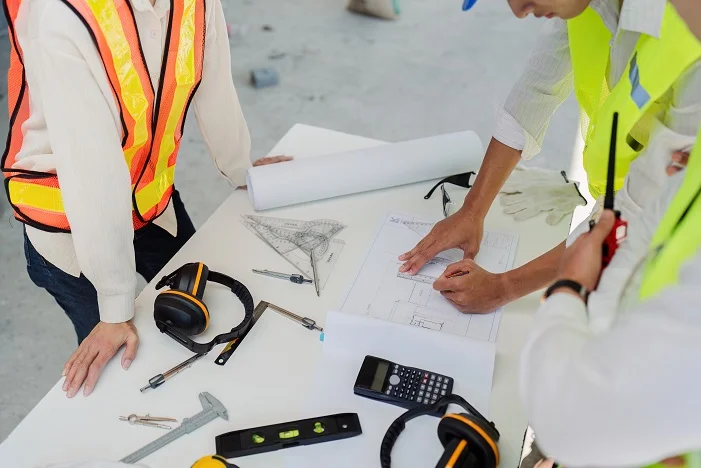
Poor construction quality dangers go far beyond cosmetic flaws; they compromise structural safety, indoor air quality, and fire protection systems. Hidden defects can silently weaken a home’s load-bearing capacity, trigger toxic mold growth, and increase fire risks, often remaining undetected until costly or life-threatening failures occur. This is why professional Construction Services Abbotsford play a critical role in ensuring long-term safety and reliability.
Key Takeaways
- Hidden defects (latent defects) can take years to surface, making new homes deceptively risky and increasing long-term Home Construction Risks
- Poor structural load-bearing capacity can lead to sudden collapse under stress
- Weak building envelope integrity allows moisture intrusion and mold growth
- Faulty wiring increases the risk of electrical arc-faults and house fires
- Fixing defects later can cost 5–10 times more than building correctly from the start
- Poor ventilation systems can create “sick homes” that negatively impact children’s health
Beyond the Surface: Why Poor Construction Quality is a Hidden Danger to Your Family
In my years of inspections, I’ve seen homes that looked flawless on move-in day but became hazardous within a few years. Most homeowners don’t realize that construction defects are rarely obvious. They are hidden in walls, ceilings, and foundations, quietly compromising your family’s safety and demonstrating the importance of proper standards in Residential Construction Abbotsford.
The Science of Failure: Why Problems Appear Years Later
Understanding Latent Defects
A latent defect is a flaw that isn’t visible during the initial inspection but develops over time. These defects often originate from:
- Substandard materials
- Poor workmanship
- Failure to meet IRC (International Residential Code) compliance
- Inadequate inspection during construction
A home may perform well for 2–3 years. Then, gradually:
- Micro-cracks in the foundation expand
- Moisture penetrates hidden cavities
- Structural stress accumulates
By year five, the damage becomes visible and expensive, reinforcing the importance of proper planning and Safe Home Construction Abbotsford practices.
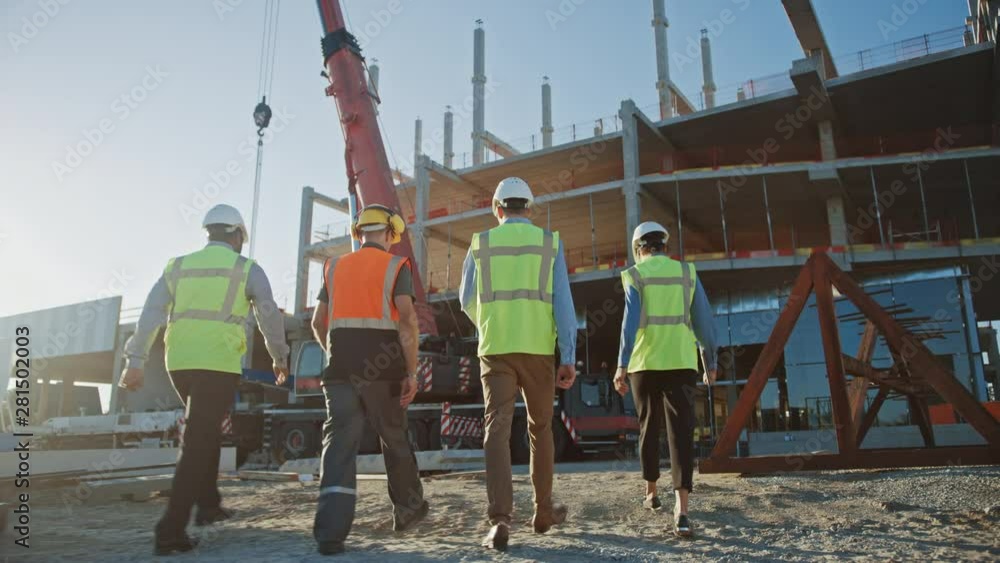
Why Homes “Suddenly” Fail
Failure is rarely sudden — it is cumulative.
For example:
- Improperly installed beams reduce structural load-bearing capacity
- Over time, daily loads (furniture, occupants, weather) cause stress fatigue
- Eventually, the system reaches a breaking point
This is why some homes experience sudden sagging floors or wall cracks years after construction.
Structural Risks You Can’t See
Compromised Load-Bearing Systems
The structural load-bearing capacity of a home depends on precise calculations and proper material use.
Common hidden issues include:
- Undersized beams
- Incorrect spacing of studs
- Poor concrete curing
In one inspection, I found a beam that was undersized by just 20%. It held for a while, but over time it caused floor deflection and eventually structural instability.
Foundation Errors
Foundation defects are among the most dangerous and expensive problems.
Typical causes:
- Improper soil compaction
- Poor drainage planning
- Low-quality concrete mix
Cost reality:
- Fix during construction: manageable
- Fix after completion: can cost 10 times more
The Building Envelope: Your First Line of Defense
What Is Building Envelope Integrity?
The building envelope includes walls, roof, windows, and insulation. It protects against:
- Moisture
- Air leakage
- Temperature fluctuations
When building envelope integrity fails, the entire home becomes vulnerable.
Thermal Bridging and Moisture Intrusion
Thermal bridging occurs when heat bypasses insulation through conductive materials like metal or poorly installed framing.
Consequences:
- Condensation inside walls
- Hidden moisture buildup
- Increased energy costs
Moisture is the real enemy. Once it enters, it creates the perfect environment for mold.
.
The Health Connection: When Your Home Makes You Sick
The Rise of “Tight” Homes
Modern homes are built to be energy-efficient. That means they are tightly sealed.
But here’s the problem:
Without proper ventilation systems (HRV/ERV), these homes trap:
- Humidity
- Pollutants
- Allergens
This creates what inspectors call a “sick building.”
Black Mold and Indoor Air Quality
One of the most dangerous outcomes is black mold (Stachybotrys).
According to EPA guidance:
- Mold thrives in damp, poorly ventilated environments
- Exposure can cause respiratory issues, especially in children
Hidden mold often grows:
- Behind drywall
- Under flooring
- Inside HVAC systems
Parents rarely detect it until symptoms appear:
- Chronic coughing
- Allergies
- Fatigue
Electrical Hazards: The Silent Fire Risk
The Danger of Improper Wiring
Most homeowners assume wiring is safe if lights turn on. That’s a dangerous assumption.
In many homes, I’ve seen:
- Wires stapled too tightly against framing
- Insulation damaged during installation
- Loose connections inside junction boxes
How Electrical Arc-Faults Start
An electrical arc-fault occurs when electricity jumps between damaged or loose wires.
Improper stapling is a major cause:
- Tight staples compress wire insulation
- Over time, friction and heat degrade the insulation
- Exposed conductors create arcing
This generates extreme heat enough to ignite surrounding materials.
According to fire safety standards (NFPA):
- Arc-faults are a leading cause of residential fires
The Financial Trap: Why Cheap Construction Costs More
Cost of Construction vs. Cost of Correction
Here’s a reality most buyers don’t understand:
- Doing it right the first time = baseline cost
- Fixing it later = exponentially higher cost
Examples:
- Foundation repair: 5–10x more expensive post-construction
- Mold remediation: requires demolition and rebuilding
- Electrical rewiring: invasive and costly
Hidden Costs Homeowners Face
Beyond repairs:
- Increased energy bills due to poor insulation
- Medical costs from poor air quality
- Reduced property value
Cheap construction is never cheap in the long run.
Warning Signs Checklist for Homeowners
Use this checklist to identify potential hidden dangers:
Structural Warning Signs
- Cracks in walls or ceilings
- Uneven or sloping floors
- Doors and windows that don’t close properly
Moisture & Mold Indicators
- Musty odors
- Peeling paint or bubbling drywall
- Visible condensation on windows
Ventilation Issues
- Stale indoor air
- Excess humidity
- Frequent respiratory discomfort
Electrical Red Flags
- Flickering lights
- Burning smell near outlets
- Frequently tripped breakers
If you notice any of these, consult a qualified inspector immediately.
Code Compliance: The Safety Baseline
Why IRC Compliance Matters
The IRC (International Residential Code) sets minimum safety standards.
Non-compliance often leads to:
- Structural weaknesses
- Fire hazards
- Poor indoor air quality
Important: Code compliance is the minimum not excellence.
Common Violations I’ve Seen
- Missing vapor barriers
- Incorrect insulation installation
- Improper electrical grounding
These shortcuts are often invisible but dangerous.
How to Protect Your Family
Before Buying a Home
- Hire an independent inspector (not just the builder’s)
- Request documentation for code compliance
- Ask about ventilation systems (HRV/ERV)
During Ownership
- Schedule periodic inspections
- Monitor humidity levels
- Upgrade safety systems (e.g., arc-fault breakers)
During Construction
If you’re building:
- Inspect each phase (foundation, framing, electrical)
- Verify materials meet standards
- Don’t rely solely on contractor assurances
Final Thoughts: Safety Is Built, Not Assumed
Most homeowners trust what they can see paint, finishes, design. But real safety lies beneath the surface.
In my experience, the most dangerous homes aren’t the oldest. They’re the ones built quickly, cheaply, and without proper oversight.
Your home should protect your family not put them at risk.
Invest in quality. Demand inspections. And never assume that “new” means safe.