
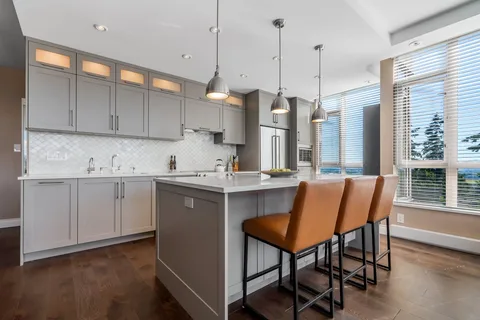
A kitchen renovation in Vancouver is the process of updating or fully rebuilding a home’s kitchen to improve function, layout, and value, typically involving new cabinetry, countertops, flooring, appliances, and sometimes structural changes. Vancouver’s renovation market has its own rules shaped by local permitting requirements, older housing stock, and a construction cost environment that runs higher than the national average. Anyone planning this project needs to understand not just design trends but also the practical realities of cost, timeline, and city-specific regulations.
Why Vancouver Kitchen Renovations Differ From Other Cities
Vancouver’s housing stock includes a large share of homes built between the 1920s and 1980s, many with outdated electrical panels, galvanized plumbing, and layouts that no longer suit modern living. Renovating a kitchen in one of these homes often uncovers issues that were invisible at the planning stage: knob-and-tube wiring, asbestos in older flooring or in popcorn ceilings, or plumbing that needs full replacement rather than a simple reroute. This is different from newer suburban markets where kitchens are usually cosmetic updates. In Luxuryservice , a “simple” kitchen renovation often becomes a project that involves electrical, plumbing, and sometimes structural work, which affects both the budget and permitting.
Local building density also plays a role. Many Vancouver homes are strata properties — condos or townhouses governed by a strata council — which means renovation plans often require council approval before a permit application even begins. Detached homes face their own layer of municipal rules, particularly around load-bearing walls in older character homes that the city may flag for heritage consideration.
Permits and Regulations in Vancouver
The City of Vancouver requires permits for renovations involving structural changes, electrical work, plumbing relocation, or gas line modifications. A cosmetic refresh — new cabinet fronts, paint, and countertops without moving plumbing or walls — usually does not require a permit. But most substantial kitchen renovations do, especially if a wall is removed to create an open-concept layout, which is currently one of the most requested changes in the city.
Permit timelines vary depending on the complexity of the application and current municipal processing volume, so homeowners should build extra weeks into their schedule rather than assuming immediate approval. Working with a contractor familiar with Vancouver’s permitting office speeds this up considerably, since they know which drawings and documentation the city expects on the first submission.
Typical Cost Ranges for a Vancouver Kitchen Renovation
Costs in Vancouver run higher than the Canadian average due to labor rates, material transport, and demand for skilled trades. While every project varies, renovations generally fall into three tiers:
Minor refresh: New countertops, backsplash, paint, and hardware without changing the layout. This tier focuses on visual improvement rather than structural change.
Mid-range renovation: New cabinetry, updated appliances, new flooring, and possibly relocated plumbing fixtures. This is the most common category for Vancouver homeowners upgrading a functional but dated kitchen.
Full gut renovation: Complete demolition down to studs, layout changes, structural wall removal, and full electrical and plumbing updates. This tier is common in older character homes where systems need replacement regardless of design preferences.
Material choices heavily influence final cost. Quartz countertops, custom cabinetry, and high-end appliances push budgets significantly higher than laminate counters and stock cabinets. Labor costs in Vancouver also fluctuate based on contractor demand, which tends to peak in spring and early summer.
How Long a Kitchen Renovation Takes
Timeline expectations depend heavily on scope. A cosmetic refresh can be completed in one to two weeks. A mid-range renovation involving new cabinetry and flooring typically takes four to eight weeks. A full gut renovation, particularly one requiring permits and inspections, often takes three to five months once design, permitting, demolition, and construction phases are all accounted for.
Supply chain delays remain a factor for custom cabinetry and imported materials, and Vancouver’s contractor demand means popular renovation companies may have multi-week waiting lists before work even begins. Homeowners planning a renovation should factor in both the active construction period and the pre-construction planning phase, which can take as long as the build itself for larger projects.
Choosing a Kitchen Renovation Contractor in Vancouver
Not all contractors handle the same scope of work equally well. Some specialize in cosmetic updates, while others are equipped for full structural renovations involving permits, engineering reports, and multi-trade coordination. When evaluating a contractor, homeowners should look for:
- A valid business license and WorkSafeBC coverage
- Experience with Vancouver’s specific permitting process
- References from projects of similar scope and home age
- Clear, itemized quotes rather than vague lump-sum estimates
- A written contract outlining payment schedule, timeline, and change-order process
Given how common older wiring and plumbing issues are in Vancouver homes, a contractor’s experience with unexpected discoveries mid-project matters as much as their design portfolio. The ability to problem-solve around a 1950s electrical panel or outdated drain stack is a Vancouver-specific skill that not every renovation company has developed.
Design Trends Shaping Vancouver Kitchens
Open-concept layouts remain the dominant request, driven by the popularity of combined kitchen-living-dining spaces in both condos and detached homes. Natural materials — wood tones, stone-look quartz, and matte finishes — have replaced the high-gloss, all-white kitchens that were popular a decade ago. Given Vancouver’s smaller average home sizes compared to suburban markets, storage-maximizing solutions like pull-out pantries, vertical cabinetry, and multi-functional islands are especially popular.
Sustainability is another recurring theme. Vancouver homeowners increasingly request low-VOC materials, energy-efficient appliances, and locally sourced cabinetry, partly due to regional environmental awareness and partly due to the city’s building code pushing toward greener construction standards.
Return on Investment for Kitchen Renovations
Kitchens consistently rank among the highest-ROI renovations in real estate markets, and Vancouver is no exception given its competitive housing market. A well-executed mid-range renovation typically recoups a strong percentage of its cost at resale, particularly when updates address functional issues such as outdated wiring or poor layout rather than purely cosmetic preferences. Overspending relative to a neighborhood’s average home value, however, can reduce ROI, since kitchen upgrades rarely pay back dollar-for-dollar if they push a home well above comparable local listings.
Common Mistakes to Avoid
Homeowners frequently underestimate three things when planning a Vancouver kitchen renovation: permit timelines, the likelihood of uncovering hidden issues in older homes, and the cost difference between custom and semi-custom cabinetry. Skipping a proper inspection before finalizing a budget is one of the most common causes of mid-project cost overruns. Another frequent mistake is choosing a contractor based solely on the lowest quote without verifying licensing, insurance, or past project quality — a decision that often costs more in the long run through delays or rework.
Final Thoughts
A kitchen renovation in Vancouver involves more than picking cabinet colors and countertop materials. Local permitting rules, older housing infrastructure, strata approval processes, and a competitive contractor market all shape how a project unfolds from planning to completion. Homeowners who understand these city-specific factors upfront — rather than applying generic renovation assumptions — are better positioned to set realistic budgets, choose the right contractor, and avoid the delays that catch so many Vancouver renovations off guard